Dallas GA Small Acreage Land Buying Guide
July 2, 2026
July 2, 2026
Looking for a few acres near Dallas, Georgia? You are not alone. Many buyers want a little more space for privacy, a workshop, a garden, or simply room to spread out, but land shopping can get complicated fast. The good news is that if you understand zoning, access, and utility approvals early, you can shop with a lot more confidence. Let’s dive in.
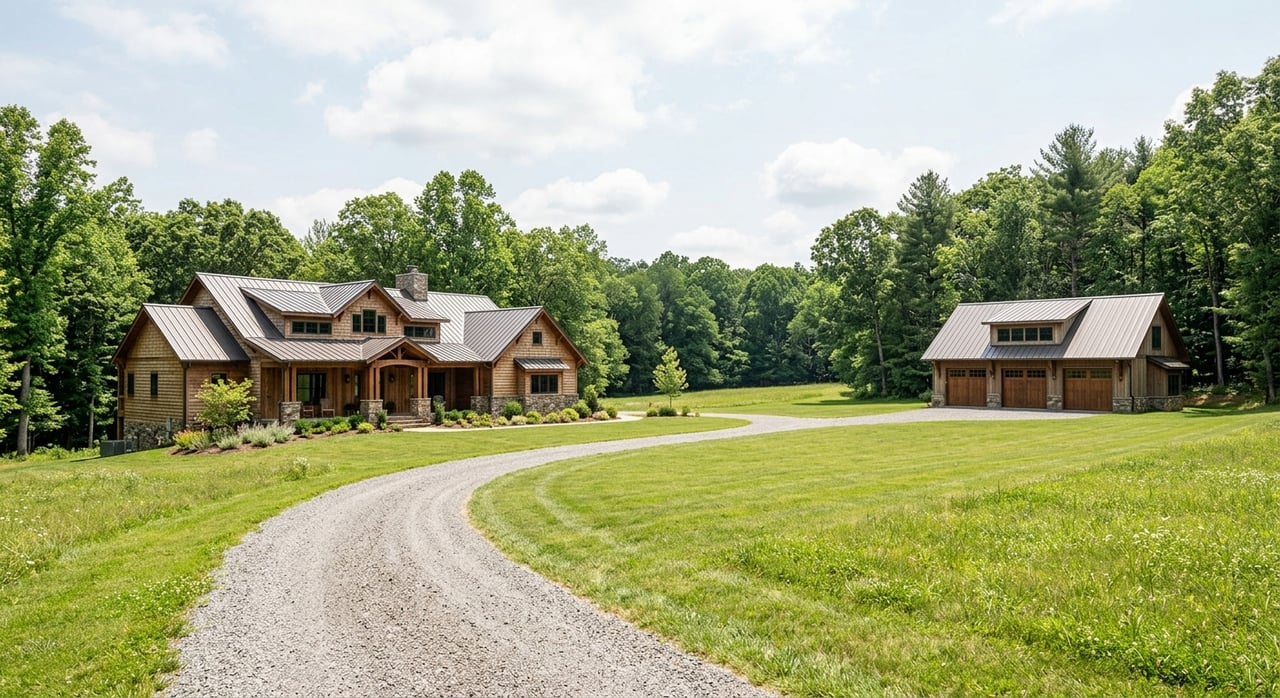
If you are picturing a parcel that is bigger than a neighborhood lot but smaller than a large farm, Dallas gives you real options. Current land inventory in the area often includes parcels in the 2 to 6 acre range.
That matters because it helps set realistic expectations. Realtor.com currently shows 117 land listings within Dallas residential boundaries, including sample active parcels at 2.2 acres, 3 acres, and 5.79 acres. For many buyers, that size range can work well for privacy, outdoor storage, hobby use, or a future homesite.
One of the biggest mistakes buyers make is assuming every parcel near Dallas follows the same rules. In reality, the City of Dallas and unincorporated Paulding County do not handle planning and zoning the same way.
The City of Dallas has its own Community Development department and zoning code. Paulding County handles zoning and county addressing for unincorporated parcels. Before you fall in love with a property, verify which jurisdiction controls it.
When you buy small acreage land, the number of acres is only part of the story. The more important question is whether the zoning supports what you want to do with the property.
In Paulding County, A-1 is designed for rural character, larger parcels, and agricultural uses. The county code lists a five-acre minimum lot size and 30 feet of public road frontage.
This district may appeal to buyers who want more flexibility for rural uses. The permitted-use list includes backyard chickens, crop production, greenhouses or nurseries, breeders, and golf courses.
ER is intended to preserve open space in rural environments. It often involves septic systems and sometimes private roads, which makes it especially important to review access and utility details before you buy.
The county code lists a 2.5-acre minimum lot size and 100 feet of public road frontage. It also states that streets may be unpaved private roads or paved public roads.
R-1 can be a practical middle ground if you want some land without stepping into a full agricultural setup. It may fit buyers who want room around the home while keeping the property more residential in nature.
The county code lists a one-acre minimum lot size and 100 feet of public road frontage for R-1. That can make it a useful option if your goals are simpler and you do not need a larger rural tract.
Before you make an offer, get specific about how you want to use the property. A barn, workshop, chickens, a greenhouse, or a home-based business may all trigger different zoning questions.
Paulding County uses rezoning, special use permits, variances, and land use permits depending on the proposal and district. The key is to check your intended use early, not after you are under contract.
For example, A-1 explicitly allows some agricultural uses. ER allows residential businesses and rural businesses by land use permit. If your plans go beyond a simple homesite, this step can save you time, money, and frustration.
A beautiful parcel is not enough if access is unclear. Legal and practical access should be one of your first due diligence items.
In Paulding County, every lot must front or abut a public street unless it is on an approved driveway easement or otherwise approved. County regulations also say lots generally should not rely exclusively on arterial or collector roads for access.
This is why road frontage, easements, and driveway approvals matter so much on land purchases. You want to know not just that you can reach the property, but that the access meets county requirements for your intended use.
Not every road is maintained the same way. Buyers should not assume the road in front of a tract is county-maintained just because it looks established.
Paulding County handles county road maintenance, while state-road issues are directed to GDOT. If the parcel connects to a state road such as 92, 120, or 61, access approval must go through GDOT.
If the property is not in a subdivision, the county says a Right-of-Way Encroachment Permit is needed. That requirement can affect your timeline and your planning for a driveway or entrance.
This is one more reason land purchases require more up-front review than buying an existing house. A parcel may look ready on paper but still need approvals before you can move forward.
With land, utility questions are rarely one-size-fits-all. Site-specific approvals often determine whether the parcel works for your plans.
Paulding County’s private-dwelling permit packet highlights several approvals that commonly matter. These include Addressing and GIS, Environmental Health for septic or well if applicable, the Development Division for erosion control, floodplain, and stream buffers, and the Water System if county service is involved.
If public sewer and water are not available, septic and well feasibility become major questions. That is especially common on rural acreage.
Georgia DPH says private wells must be installed by a licensed water well contractor and separated from septic sources. Local county boards of health regulate on-site sewage systems and inspect installations.
In plain terms, you should not assume that open land is automatically ready for a home. You need to confirm whether the site can support the type of build you want.
When you buy an existing home, many of the big questions have already been answered. With raw land, you are often the one figuring out whether the parcel is truly usable for your goals.
That usually means checking:
These points are not just nice to know. They are directly tied to the county’s access rules, permit process, and development standards.
One of the smartest first steps is to pull parcel details before you write an offer. Paulding County’s GIS office can search parcel numbers or addresses and provide maps.
This helps you confirm basic parcel information and begin reviewing shape, frontage, and location. It is also a practical starting point for comparing the listing description to the public record.
Survey or plat review also matters more on land than many buyers expect. Paulding County’s development regulations state that their purpose includes ensuring subdivision lots are usable for their intended function and that land titles are accurately recorded.
If you want to keep your search focused, use a simple filter before getting emotionally attached to a tract. A good land search is not just about finding the right acreage. It is about finding acreage that actually works.
Ask these questions:
That checklist can help you move from casual browsing to smart decision-making.
Buying small acreage land near Dallas, GA can open the door to more privacy, flexibility, and long-term value. But the smartest buyers look beyond the acreage count and focus on the parcel’s zoning path, legal access, and utility feasibility.
If you want a clear plan before you buy, working with a team that understands land can make the process much smoother. Jacob Calvert can help you evaluate properties, spot red flags early, and move forward with confidence.
Stay up to date on the latest real estate trends.
Connect with The Calvert Advantage for a real estate experience that goes beyond the ordinary. Whether you're interested in exclusive listings, exploring your home's value, or diving into our personalized services, let's connect to make your real estate aspirations a reality.