Calhoun New Construction vs Resale: Which Is Right?
June 18, 2026
June 18, 2026
If you’re trying to choose between a brand-new home and a resale in Calhoun, you’re not alone. It’s one of the biggest decision points buyers face, especially when monthly payment, timeline, and long-term upkeep all matter. The good news is that Calhoun offers real options on both sides, and the right fit often becomes clearer once you compare price, pace, flexibility, and risk. Let’s dive in.
Calhoun sits in a market that looks active, but not frantic. Recent housing snapshots place typical pricing somewhere in the high $200,000s to low $300,000s, depending on the source and the date measured. That gives buyers room to compare new construction and resale without the kind of pressure you might see in a more overheated market.
The pace also appears fairly balanced. Homes have been reported as reaching pending in roughly 34 to 68 days, with listing timelines varying by platform. In plain terms, that means you may have time to evaluate your options carefully, but strong homes can still move fast.
Mortgage rates also affect this decision. Freddie Mac reported a 30-year fixed average of 6.48% on June 4, 2026, so builder incentives, closing-cost help, and negotiated credits can make a real difference in your monthly payment. In this market, the better deal is not always the lower list price.
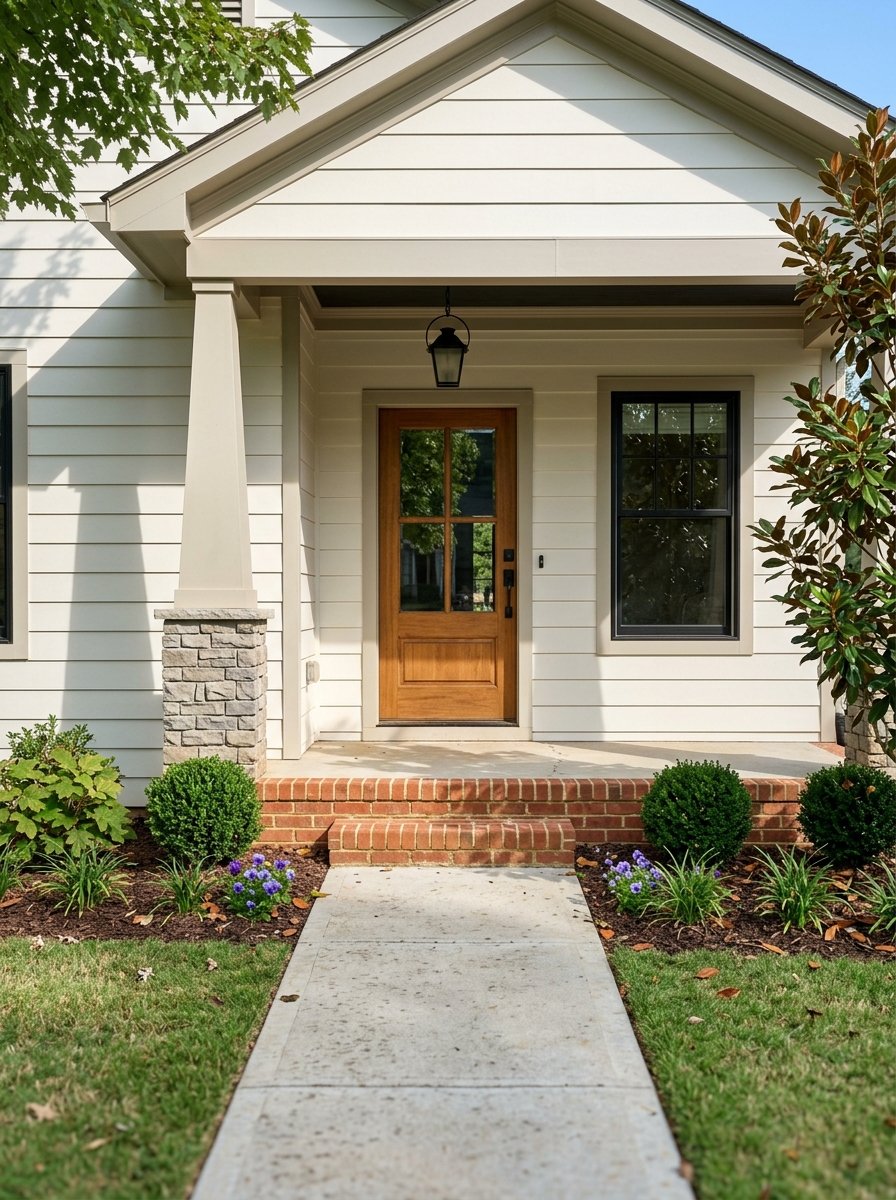
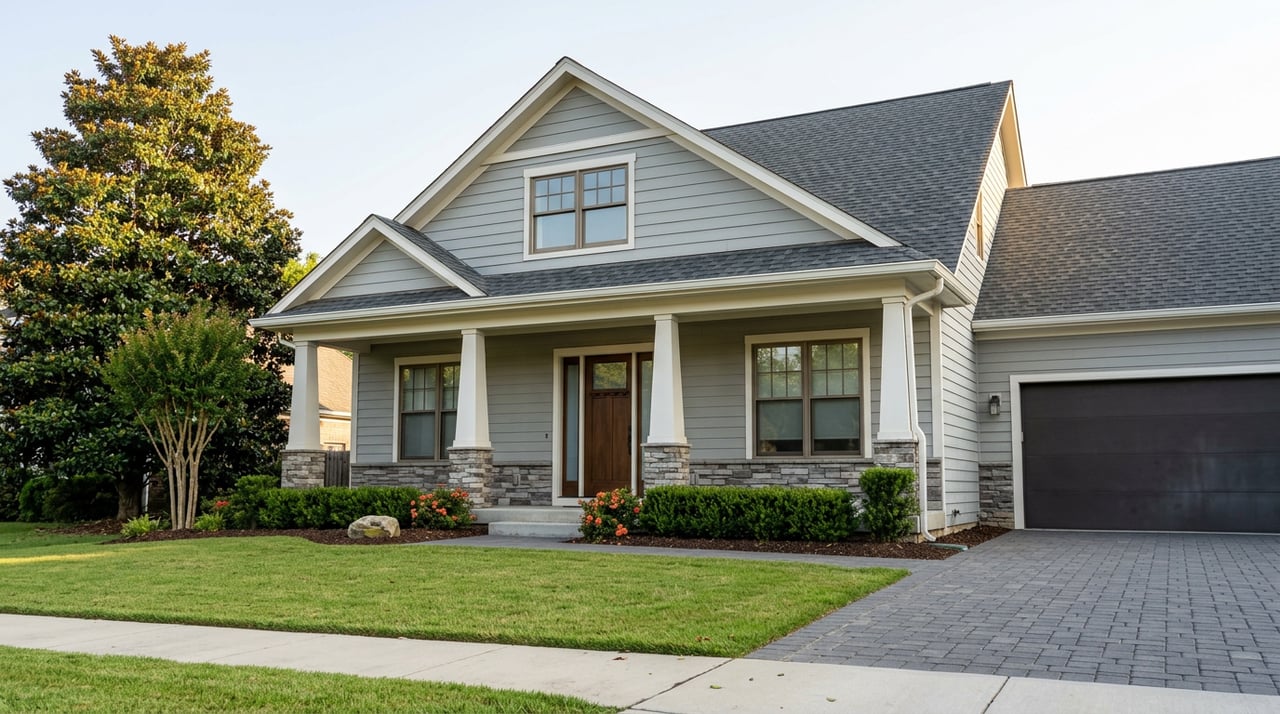
New construction is a meaningful part of the Calhoun market. Homes.com reports four builders active in local new-home communities and about 195 planned new-construction homes. Average new-home pricing is reported around $309,990, with community pricing ranging from the low $200,000s to around $500,000, depending on the builder and neighborhood.
That pricing puts many new homes at or slightly above recent resale sales snapshots, though not in every case. Some communities may be priced close to resale options, while others carry a noticeable premium. This is why comparing one home to another, instead of relying on broad averages alone, matters so much.
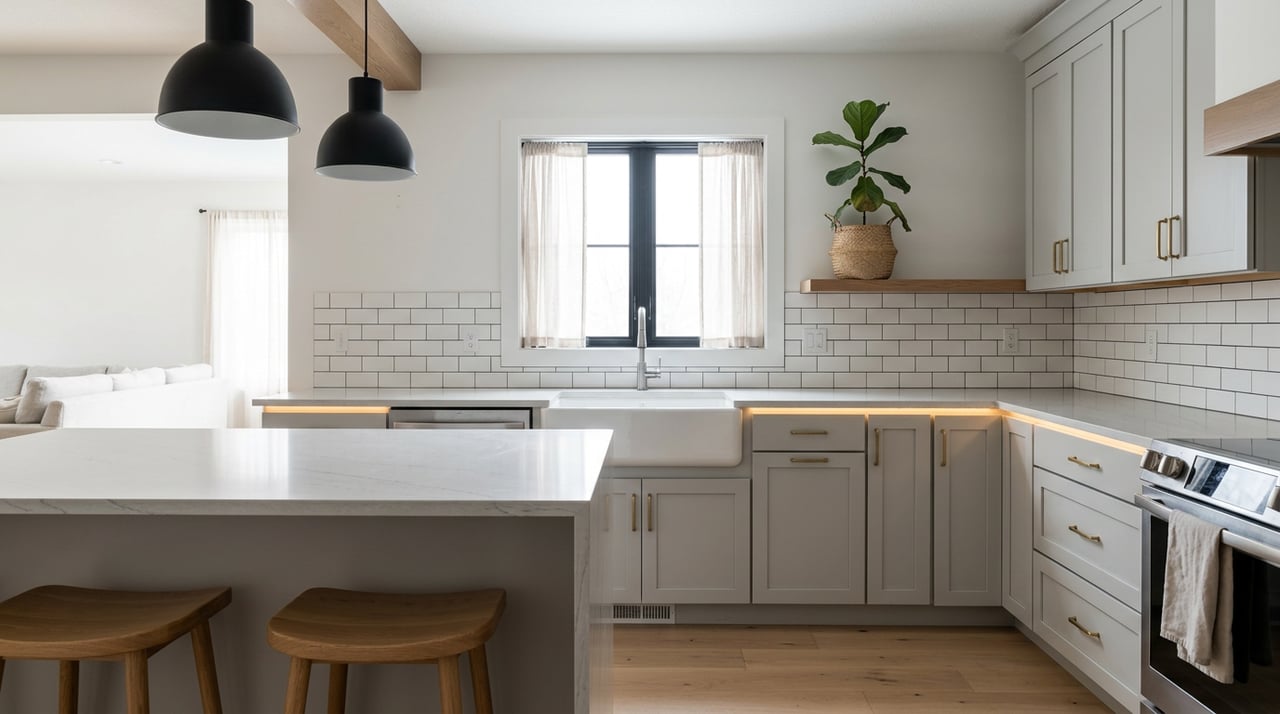
One of the biggest reasons buyers choose new construction is customization. Many builders offer a base package with optional upgrades, and local community descriptions highlight personalization opportunities along with features like granite countertops, LED lighting, and stainless steel appliances. If you want a home that feels more tailored from day one, this path can be appealing.
A new home can also change your first few years of ownership. Because systems, finishes, and appliances are new, you may face fewer major replacements early on. Realtor.com estimates that buyers of newly built homes save an average of $25,335 over 10 years compared with buyers of 20-year-old homes, largely from lower utility costs and fewer major repairs.
That does not mean every new home is automatically cheaper to own. It means the sticker price should be weighed against your likely maintenance and operating costs. In Calhoun, that total-cost view can be especially useful when a new home costs a bit more upfront than a resale.
The tradeoff is time. Existing homes in Georgia often close in 30 to 90 days, while new-construction timelines can stretch much longer. Nationally, the average completion time for a single-family home was reported at 10.1 months in 2023, and homes built for sale still averaged 8.9 months.
In Calhoun, the local building process adds more steps behind the scenes. The City of Calhoun requires permit documentation that includes contractor and business license copies, and Gordon County requires plan review before work begins, a driveway inspection before an address is issued, and successful inspections before occupancy. For you, that means a new home purchase may involve more moving parts than the sales brochure suggests.
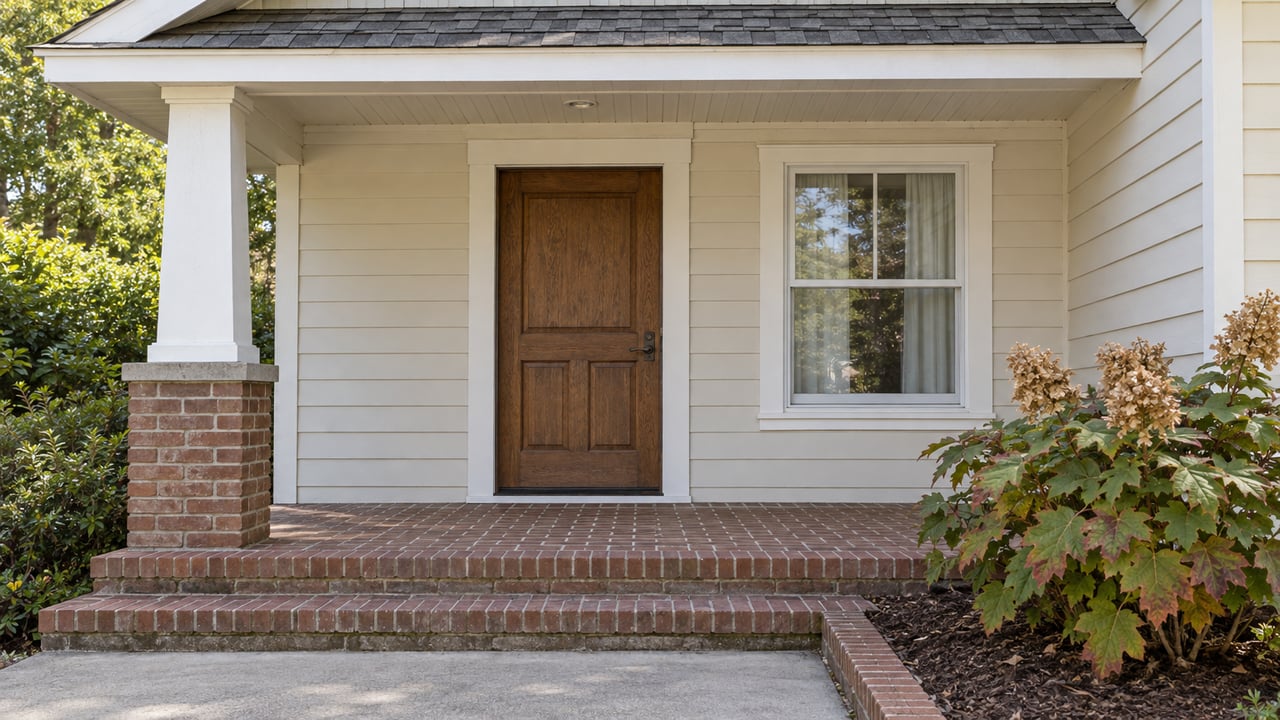
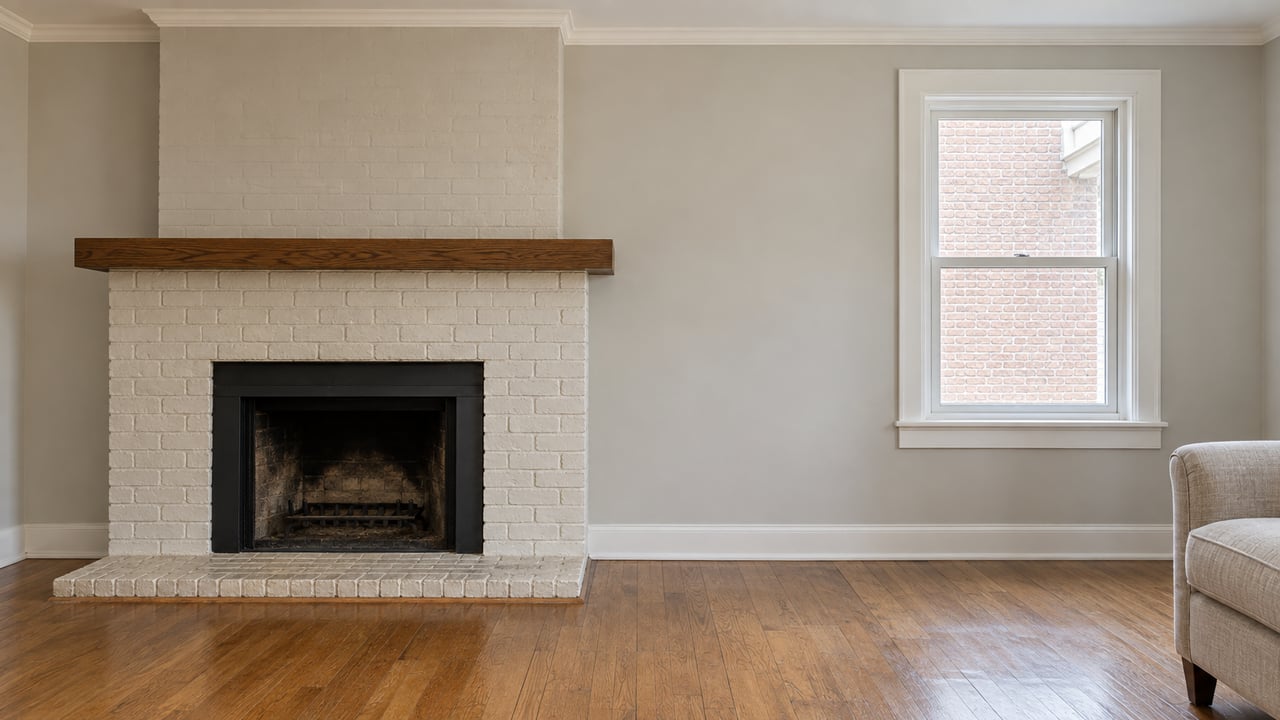
Resale homes usually stand out for speed and clarity. If you need to move on a tighter timeline, an existing home is often the simpler path because closing may happen within 30 to 90 days. You can see the exact property, evaluate the condition more directly, and make decisions based on what already exists.
Resale can also offer a different kind of flexibility. Buyers may make offers contingent on financing and a satisfactory inspection, which creates clearer exit points if major issues show up. If you want more room to negotiate repairs or step back from the deal when needed, resale may feel more comfortable.
Negotiation in Calhoun appears mixed rather than one-sided. Redfin reports that average homes sell for about 3% below list price, while Realtor.com reported a sale-to-list ratio around 100% in March 2026. That suggests negotiation room depends heavily on the home’s price point, condition, and how it compares with competing listings.
On a resale deal, seller concessions often show up as repair credits, price reductions, or closing-cost help. That can be useful if an inspection uncovers issues or if your budget is tight at closing. Sometimes a seller may offer a credit instead of completing the repairs themselves.
This is one of the biggest differences between resale and new construction. With resale, the discussion often centers on condition and repairs. With new construction, the conversation is more likely to focus on upgrades, incentives, lot choice, or rate buydowns.
It is easy to assume a new home needs less scrutiny, but that is not the case. A home inspection is different from an appraisal, and buyers generally need both. The inspection should happen as early as possible so there is time to address concerns before closing.
That applies whether the home is brand new or decades old. New homes can still have incomplete work, installation issues, or items that need correction before closing. Resale homes may reveal deferred maintenance, aging systems, or repair needs that affect your budget.
Georgia’s Attorney General also advises buyers to verify an inspector’s business name, address, license, and reputation rather than choosing based only on price. A careful inspection process helps you make a cleaner decision, whichever path you choose.
New construction usually comes with more formal warranty protections in Georgia. State rules require licensed residential contractors to provide a written warranty on covered contracts before execution. That warranty must spell out covered work, exclusions, the term, how to make a claim, and other important details.
That structure can be helpful, but it also means more paperwork. If a problem comes up later, Georgia Consumer Protection advises buyers to review the warranty carefully, follow the repair process, and keep records. This is different from a resale purchase, where your focus is usually on the property’s current condition rather than a builder warranty process.
Georgia’s Right to Repair framework adds another layer for builder disputes. Buyers must be given notice of the Act’s provisions in sales contracts, and the law creates a notification process before suing over defective construction or remodeling. The practical takeaway is simple: new construction may offer warranty coverage, but it can also involve a more formal process if something goes wrong.
In the current market, builders may be more negotiable than many buyers expect. Realtor.com reported that 19.3% of new-build listings had price reductions in the fourth quarter of 2025, and builders were described as more willing than existing-home sellers to negotiate on price. That can shift the value equation in a meaningful way.
In a market with mortgage rates in the mid-6% range, incentives matter. A rate buydown, closing-cost contribution, or included upgrades may improve affordability more than a small list-price reduction on a resale home. This is why your comparison should focus on the full monthly payment and cash-to-close, not just the asking price.
For many buyers, this decision comes down to priorities rather than one clear winner. If you value customization, lower early maintenance, and possible builder incentives, new construction may be worth the wait. If you value speed, visible condition, and stronger inspection and repair negotiation points, resale may be the better fit.
A simple way to evaluate your options is to compare these four categories:
In Calhoun, local representation matters on both paths, but for different reasons. On resale purchases, the key pressure points are often inspection findings, repair requests, appraisal issues, and closing-cost negotiations. On new construction, the leverage points usually include lot selection, included features, contract terms, warranty language, timing, and whether a builder will offer incentives.
Local knowledge also helps because city and county processes affect the overall experience. Permit systems, plan review, inspections, and builder timelines can influence when a home is actually ready. Having an advisor who understands construction, contract details, and neighborhood-level pricing can help you compare options with more confidence.
If you’re weighing new construction against resale in Calhoun, the best next step is to look at the numbers and tradeoffs side by side. A thoughtful comparison can reveal which path gives you the stronger overall value, not just the better first impression. If you want help sorting through your options, reach out to Jacob Calvert for local guidance tailored to your timeline, budget, and goals.
Stay up to date on the latest real estate trends.
Connect with The Calvert Advantage for a real estate experience that goes beyond the ordinary. Whether you're interested in exclusive listings, exploring your home's value, or diving into our personalized services, let's connect to make your real estate aspirations a reality.