
Rome GA Home Valuation: What Your Home Could Sell For
January 1, 2026
January 1, 2026
Thinking about selling your Rome home this spring? You are not alone. Spring brings more buyers, fresh curb appeal, and a faster pace, but it also raises the big question: what could your home actually sell for in today’s market. In this guide, you will learn what drives spring demand in Rome and Floyd County, how to set a credible list price, and which prep and marketing moves can lift your final sale price. Let’s dive in.
Rome is a regional hub for healthcare, education, and services, which shapes who shops for homes locally. Many buyers work in medical services, at local schools and colleges, or in area manufacturing and retail. Berry College contributes steady faculty, staff, and student-adjacent demand. You also see first-time buyers, move-up buyers, downsizers, and some investors in the mix.
Macro trends matter too. Changes in mortgage interest rates and available loan products affect affordability and how close sale prices track to list prices. When rates ease, more buyers enter the market, showings rise, and multiple offers become more common. When rates rise, buyers become more price sensitive, and accurate pricing matters even more.
Spring is typically the busiest listing season. Yards look better, buyers plan moves around summer schedules, and more homes hit the market. In many years, listing between late February and April captures strong demand. Many sellers choose a Thursday go-live to build momentum into the weekend. The exact timing can shift year to year, so match your launch to current local activity.
Your likely sale price comes from real, recent sales of homes like yours and the competition buyers see today. A well-built Comparative Market Analysis gives you the most reliable range. It blends comparable sales, price-per-square-foot checks, and an analysis of active, pending, and expired listings.
Ask for a CMA based on the Rome and Floyd County MLS. The best comps are nearby and recent. Look within your subdivision when possible, or within about a half to one mile if the neighborhood character is similar. In an active market, focus on sales from the last 3 to 6 months and expand the window if activity has been slower.
Match the basics first. Choose comps within about 10 to 20 percent of your home’s square footage and with similar bedroom and bathroom counts. Then adjust for meaningful differences like lot size, a finished basement, a garage, or major renovations. Condition and updates carry weight, so note kitchen and bath remodels, roof and HVAC age, flooring, and energy features.
Price-per-square-foot is a useful gut check, but it only works when you segment by neighborhood and home type. A renovated ranch will not price like a dated two-story of the same size across town. Pair the math with a review of active and pending listings competing for your buyer. Buyers compare photos, features, and condition across every option available.
In our area, buyers notice well-executed kitchen and bath updates, comfortable living spaces with natural light, and systems in good working order. A finished basement, a larger lot, or a functional garage can move the needle. Make clear, itemized adjustments for the differences you see between your home and each comp so the final pricing range is transparent and credible.
Your list price should meet buyers where they are and create urgency without sacrificing value. In competitive conditions, some sellers list just under a psychological price point to spark more interest and invites for showings. This approach can support multiple offers when local demand is strong.
In a balanced or slower market, price close to the expected sale price you see in the comps. Overpricing often leads to longer days on market, more price reductions, and a lower final sale than if you had priced right from the start. A clear pricing plan paired with tight presentation gives you the best chance at a top-of-market result.
High-quality photos are the single best low-cost move to drive traffic and showings. Add accurate floor plans and room measurements to build buyer confidence. Virtual tours and 3D walkthroughs help out-of-area buyers engage with your property before they step inside. Use drone imagery when your land, setting, or exterior amenities deserve a bird’s-eye view and confirm any local or MLS rules first.
The Calvert Group pairs hometown knowledge with production-grade media through our Calvert Concierge marketing suite. That includes professional photography, cinematic video, 3D tours, floor plans, and polished copy, with brokerage reach for wider exposure when your listing needs it. Strong media wins the click, the showing, and often a stronger offer.
Staged homes help buyers imagine life in the space. In an occupied home, declutter, neutralize décor, remove personal photos, and arrange furniture to show clear flow. In a vacant or partially furnished home, add key pieces to define scale and highlight focal areas.
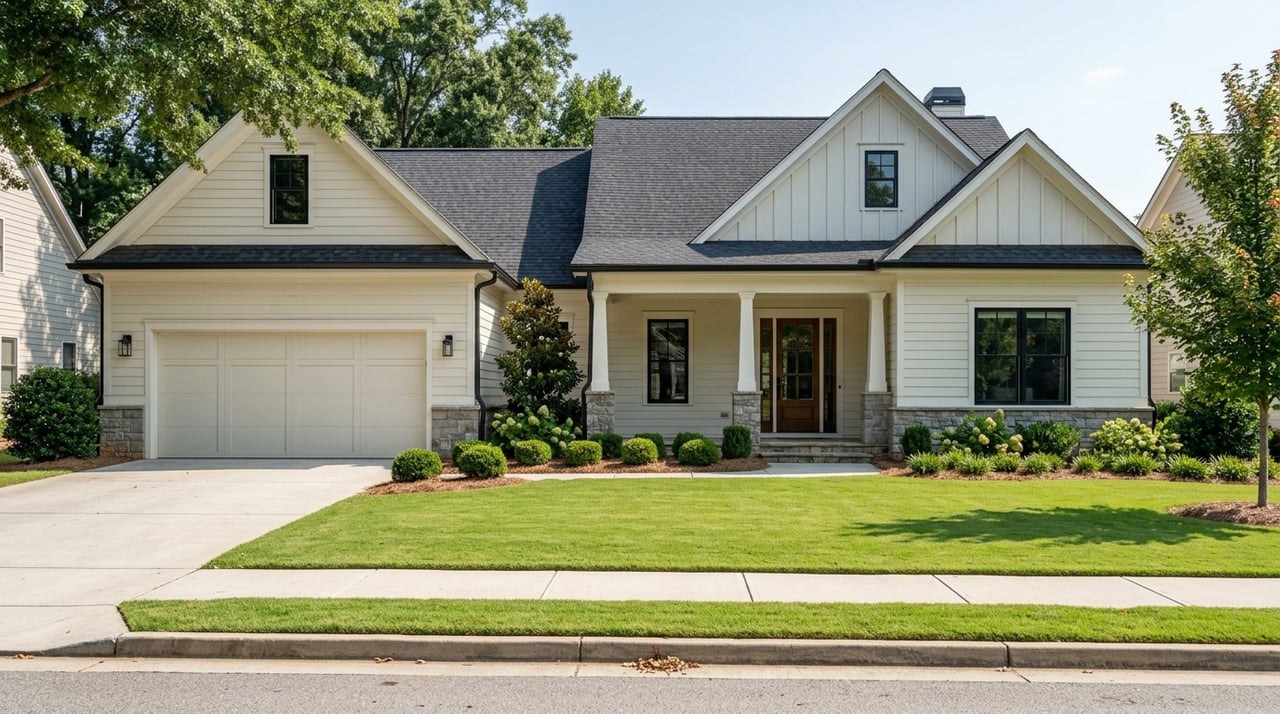
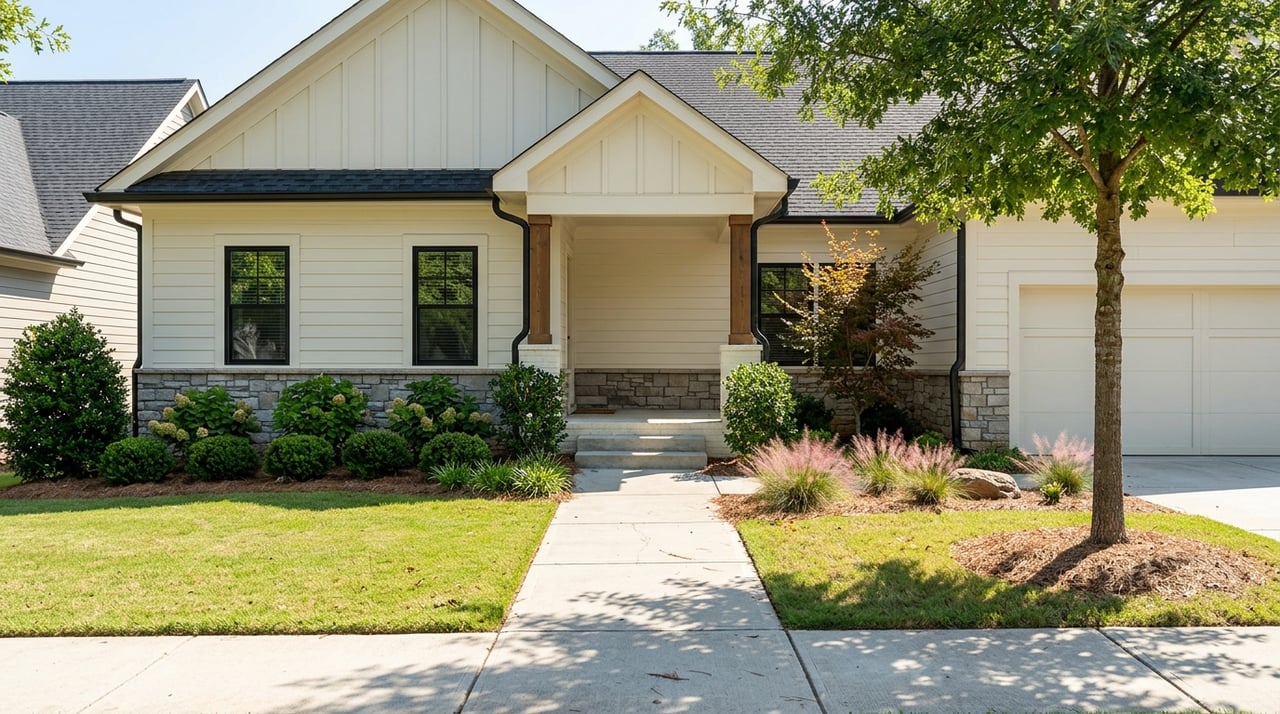
Small investments tend to pay off. Fresh neutral paint, updated light fixtures, new cabinet hardware, and fixing visible defects move the needle at a reasonable cost. Do not forget curb appeal. Tidy landscaping, mulch, a clean driveway, and fresh house numbers or a new mailbox make a strong first impression that drives showings.
Effective listing descriptions connect features to a lifestyle and location. Highlight practical benefits like nearby parks, medical centers, employment hubs, shopping, and commute times. Provide clear details that help buyers compare options. The right story paired with strong visuals keeps your listing top of mind after the tour.
A pre-listing inspection is optional, but it can help you get ahead of surprises. It lets you decide which repairs to complete and which to disclose and price for. Termite and pest inspections are common in Georgia’s climate, and buyers often ask about roof condition and HVAC age.
Be transparent about known defects and gather documentation early. Federal law requires a lead-based paint disclosure for homes built before 1978. Georgia residential property disclosure forms are commonly used in our state. Confirm the current form and keep your records ready, including utility bills, warranties, renovation receipts, surveys, and HOA documents if applicable.
Listing in late winter or early spring tends to capture peak buyer activity. Many sellers aim for late February through April, then launch on a Thursday to build momentum into the weekend. Pair your go-live with an open house schedule and a strong first-week marketing push.
Market timing can shift year by year, so watch local indicators like showing traffic, new listings per week, and how fast well-presented homes go under contract. If competition is light and demand is steady, listing sooner can help you stand out. If inventory spikes, sharpen your presentation and price strategy.
Offer strategy should weigh more than price. In competitive moments, an offer deadline can concentrate interest, and an escalation clause may help buyers express the top of their range. In balanced markets, clear communication with buyer agents helps you align on terms that keep the deal moving.
Consider incentives carefully. Seller-paid closing costs, temporary rate buydowns, or a home warranty can widen your buyer pool. These tools can reduce your net if used broadly, so match them to real feedback and your pricing power. Review financing types and contingencies too, since FHA and VA loans can include appraisal and inspection standards that shape the timeline and outcome.
Appraisals can come in low if recent comparable sales lag your list price or if comp data is thin. You can reduce this risk by equipping the appraiser with a thorough comp package and by aligning your list price with the strongest recent evidence. In some cases, buyers may include escalation or appraisal-gap language if they are willing and qualified.
Financing and buyer type affect both timing and certainty. Cash buyers may close faster with fewer contingencies, while conventional financing can be efficient with the right lender. Government-backed loans sometimes come with additional property standards that you should plan for.
In Georgia, closings are typically handled by a closing attorney or title company. Expect prorations for taxes and utilities, and confirm county-level recording and transfer fees. Environmental or site specifics like flood zones, septic systems, or easements can influence insurability and financing, so gather documentation early.
Pre-listing, 6 to 8 weeks out
Marketing launch, day 0 to 14
Showings and negotiation, day 15 to 60
Closing
Your likely sale price depends on local demand in Rome, the condition and updates in your home, how effectively you present and market it, and how well your pricing aligns with current comps. Spring puts wind at your back, but results still come down to execution. The best step toward a clear answer is a data-backed pricing range and a launch plan tailored to your property.
A focused CMA and a premium presentation can position your listing at the top of its category. With the right strategy, you can capture strong buyer attention, reduce time on market, and protect your net.
If you are considering a spring sale, let’s create a clear pricing range and a step-by-step plan to launch with confidence. Start with a free home valuation and a tailored prep checklist from Jacob Calvert. We will combine local expertise with professional media to help you sell well this spring.
Stay up to date on the latest real estate trends.

Connect with The Calvert Advantage for a real estate experience that goes beyond the ordinary. Whether you're interested in exclusive listings, exploring your home's value, or diving into our personalized services, let's connect to make your real estate aspirations a reality.