What It’s Like to Live in Rome, Georgia Today
February 5, 2026
February 5, 2026
Thinking about a smaller city with river views, historic charm, and a steady pace of life? If you are exploring northwest Georgia, Rome often comes up early in the conversation. Choosing where to live is more than a pin on a map, so it helps to picture daily life, neighborhoods, and how the city fits your goals. This guide walks you through what living in Rome, GA feels like, from housing options to commutes, schools, and weekend fun. Let’s dive in.
Rome is the county seat of Floyd County and a regional hub for commerce, healthcare, higher education, and the arts. The city sits where the Etowah and Oostanaula rivers meet to form the Coosa River, which shapes downtown and riverfront parks. Locals often reference the “seven hills,” a nod to Rome, Italy, and you will find a historic core centered on Broad Street. You are within a one to two hour drive of larger Georgia metros, which expands job and entertainment options while keeping a small-city feel at home.
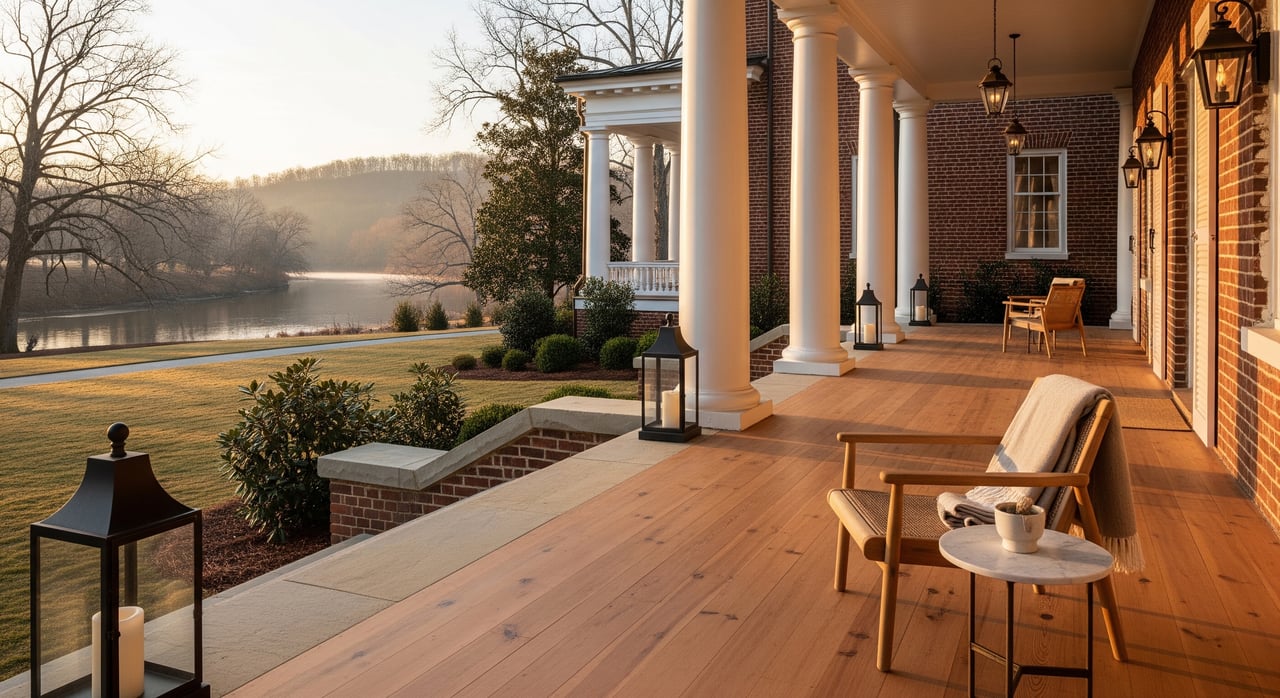
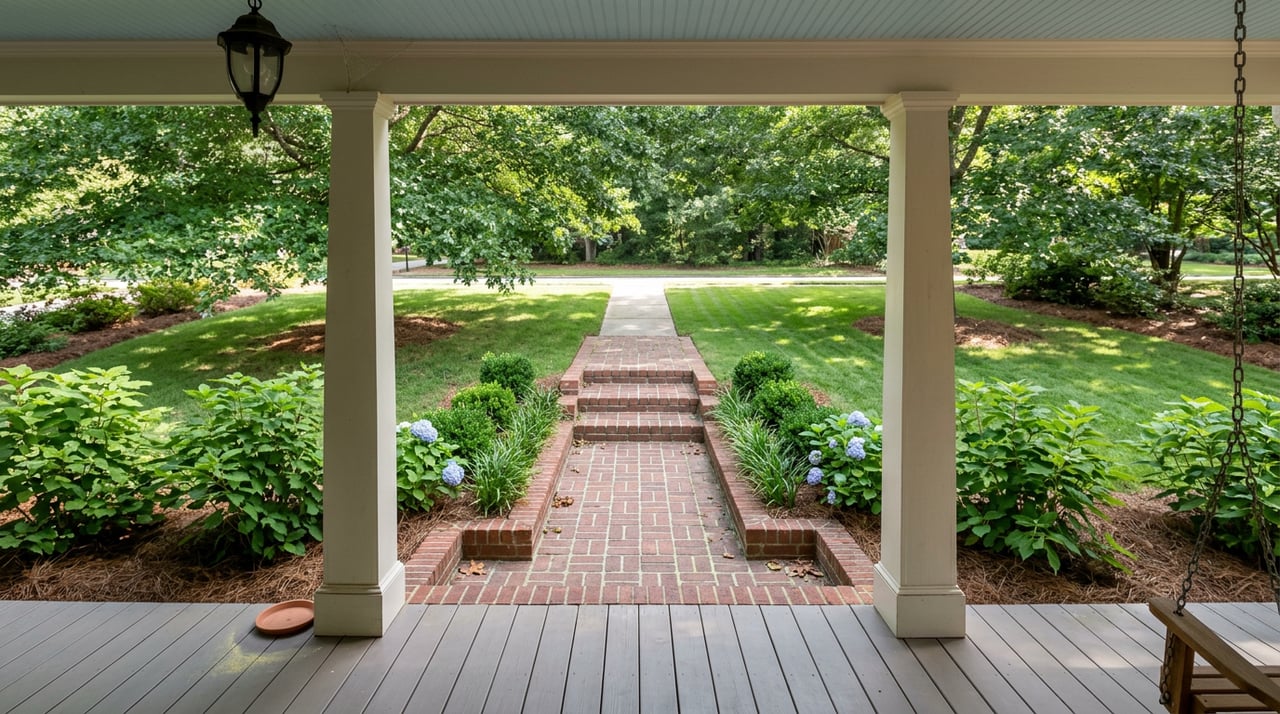
Close to downtown, you will see late 19th and early 20th century homes with front porches, mature trees, and sidewalks. Architectural styles include Craftsman bungalows, Victorians, and some Colonial influences, often in or near designated historic districts. The lifestyle centers on convenience to downtown restaurants, shops, and river paths. Buyers here tend to value character, shorter drives, and a walkable setting on a smaller scale.
Downtown and the riverfront are focal points for festivals, paddle launches, and scenic walks. Housing near Broad Street and the water can include renovated lofts, condos, and historic single-family homes. Inventory is limited, which can affect pricing and speed of sales. If you want to live steps from events and dining, this area is the shortest hop to it.
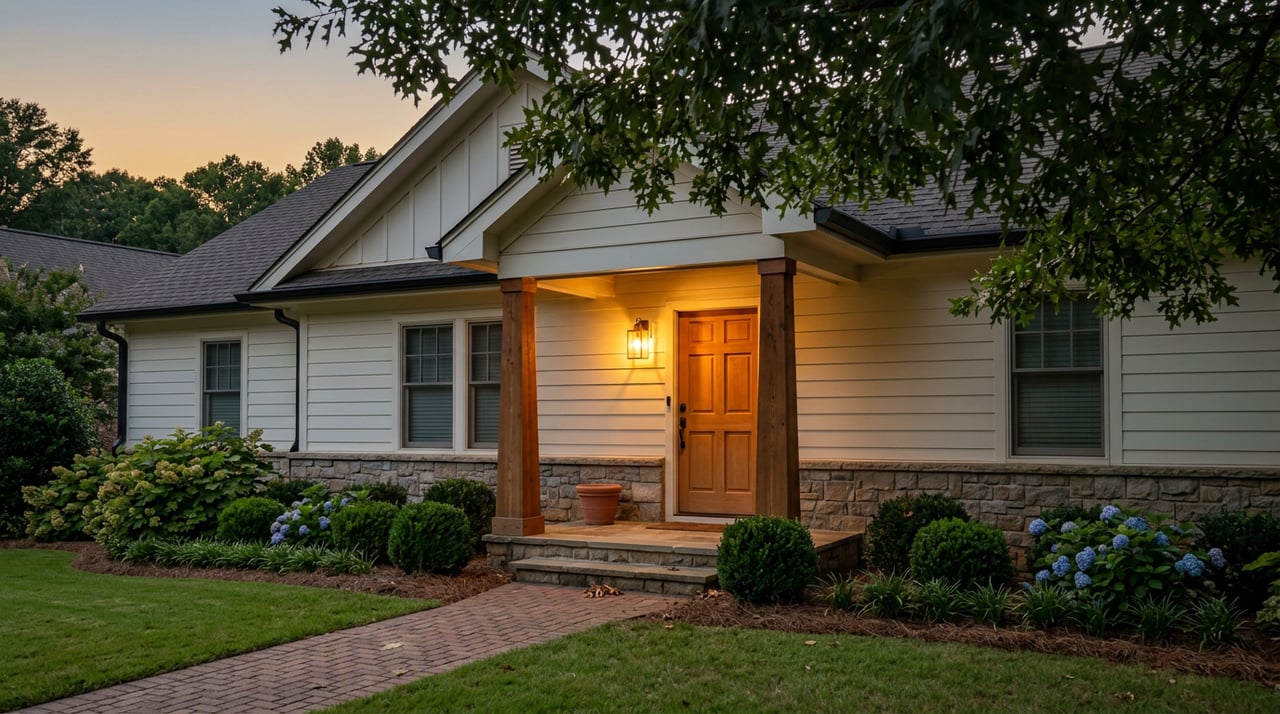
Move a few minutes from downtown and you will find mid-century ranches and cottages on wider lots. Homes here often include carports or garages and a more car-dependent layout. The tradeoff is extra yard space and quick access to retail corridors and services. It is a practical fit if you want a shorter drive to town without being right in the middle of it.
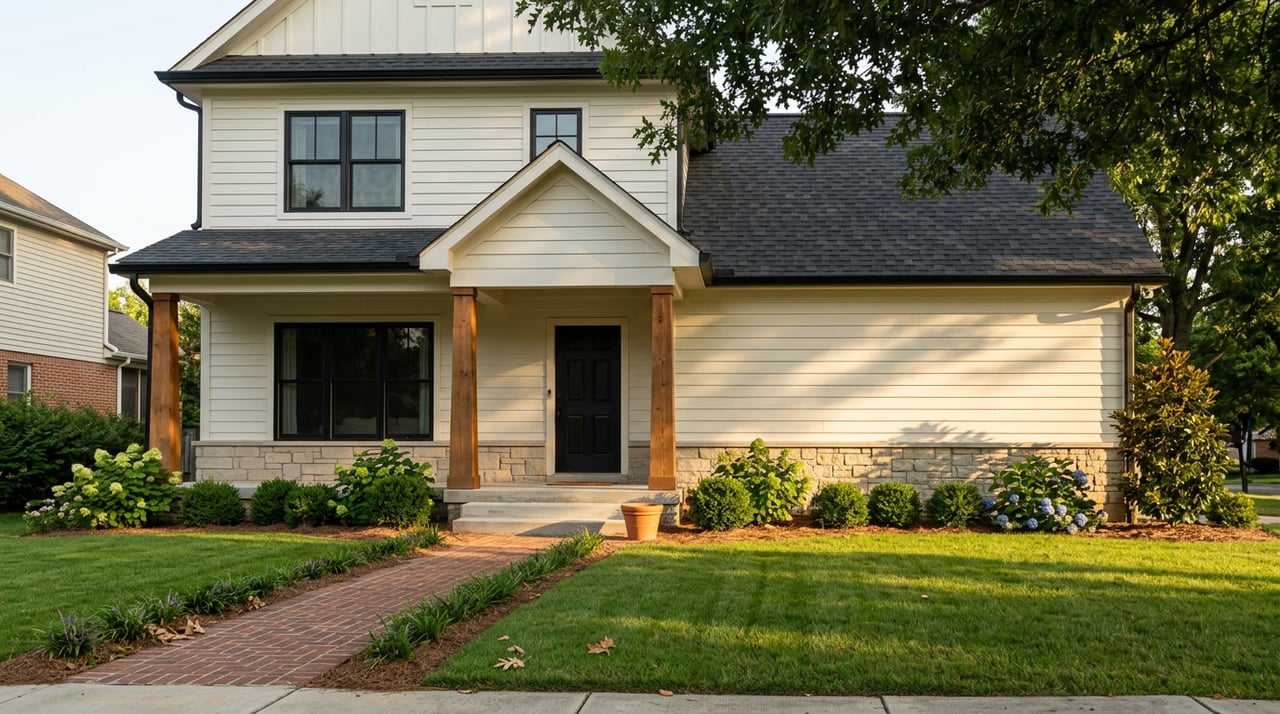
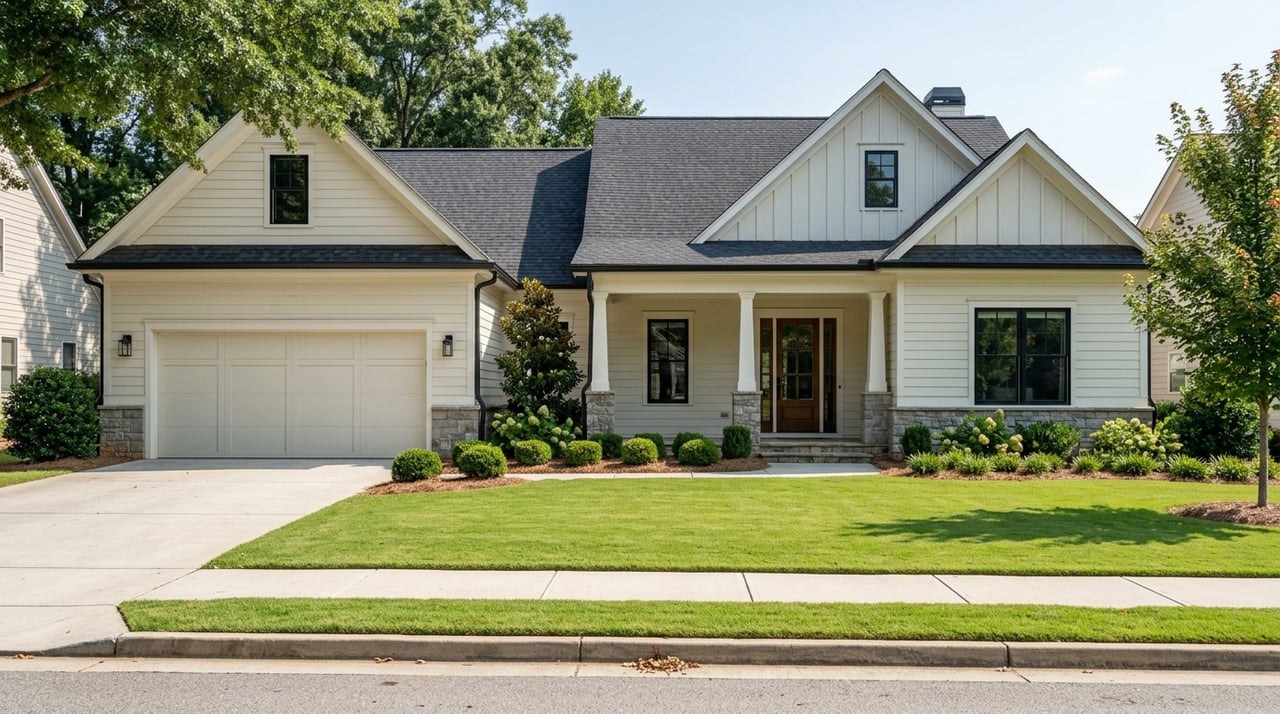
On the city edge and in unincorporated Floyd County, planned subdivisions feature newer construction, larger floorplans, and community amenities like pools and playgrounds. Lots are typically larger than in-town and homes may include open-concept layouts. Many buyers choose these areas when they want more space and newer finishes. Be sure to verify utility providers and whether you are in the city or county for services.
Floyd County also offers agricultural parcels, hobby farms, and homes on acreage within a short drive of Rome. These properties appeal if you want privacy, room for animals or gardens, or a quiet outdoor lifestyle. Expect to plan around well and septic in some locations, and check local zoning when considering additions or outbuildings. Proximity to regional highways still keeps trips to town manageable.
Broad Street anchors a compact, historic downtown with locally owned restaurants, coffee shops, boutiques, and event venues. Seasonal festivals and civic events add rhythm to the calendar. You will also find community theater, live music, and art shows around town. Colleges in the city host lectures, concerts, and exhibits that are open to the public.
Rome offers a mix of independent eateries and familiar regional or national chains along major corridors. Grocery stores and everyday services are available both in-town and along highway retail areas. For specialty shopping or larger selections, many residents make periodic trips to bigger metros. Day to day, you can handle your errands close to home.
Riverfront parks and greenways give you room to walk, run, or bike with water views. Paddling and fishing are popular along the Etowah, Oostanaula, and Coosa. Nearby, you can access hiking and lake or river recreation in the foothills of the Appalachians on easy day trips. Seasonal farmers markets, 5K runs, and river-focused events round out the outdoor scene.
You will find public parks, recreation centers, youth sports, and libraries throughout the city and county. Community programs often partner with local schools and colleges for camps, classes, and performances. Childcare options include centers and family providers, though availability varies by season and demand. It is smart to plan ahead and confirm hours, waitlists, and locations that fit your routine.
Rome functions as a regional healthcare center with major hospitals, specialty providers, and associated clinics. This gives residents access to a range of care without a long drive. Senior living options in the area include independent, assisted, and memory-care communities. Always verify current availability and services with local providers.
Two public systems serve the area: Rome City Schools and Floyd County Schools. Each includes elementary, middle, and high schools, with district maps that define attendance zones. Performance and programs vary by school and grade level. Families typically review state report cards, district resources, and specific offerings like STEM or career and technical pathways.
Berry College and Shorter University are part of daily life here, bringing cultural events, athletics, and a steady student and faculty presence. Their campuses add to the city’s green space and community programming. Regional technical programs and community college options support skilled trades and career changes. The college influence also shapes rental demand near campus.
Daycare centers, family childcare homes, and preschool programs are available across the city and county. Quality, costs, and hours vary. Start by mapping providers to your commute and confirming licensing, teacher ratios, and curriculum. Tours and waitlist timelines are important if you need care soon after moving.
Rome is primarily a driving city, and most people commute by car. Local public transit exists on a limited scale compared to larger metros, with demand-response options often available for seniors and riders with disabilities. Regional access comes via U.S. and state highways that connect to other northwest Georgia cities. For air travel, residents use nearby regional airports in larger cities and a local general aviation field for private flights.
Healthcare, education, manufacturing, retail, and government services make up key parts of the local economy. Many residents work in the city and county, with some commuting to nearby towns. Cost of living is often lower than major metro areas, which can make housing more approachable for buyers. Always compare your budget against current market data for homes that match your criteria.
If you want a smaller-city version of in-town living, historic neighborhoods near downtown can be a great fit. You will trade yard size for convenience and charm. Expect a closer connection to festivals, restaurants, and the riverfront. Parking can be tighter on some streets, which is part of the vibe.
If you prioritize square footage, newer floorplans, and community amenities, consider subdivisions at the city edge or in Floyd County. You will likely have a longer drive to downtown but more room to spread out. Many homes include open layouts and outdoor living spaces. Verify HOA rules and planned amenities as you compare communities.
Rome’s slower pace, river access, and healthcare presence appeal to many right-sizers. One-level living is common in mid-century areas and some new builds. Downtown condos and lofts reduce maintenance while keeping you close to events. Check accessibility features and proximity to services that matter most to you.
College connections and a steady stream of cultural events make the city feel active without being overwhelming. The greenways and rivers offer quick outdoor escapes. If recreation and community programming matter, you will find a lot to plug into. Weekend day trips to nearby natural areas are easy.
If Rome’s lifestyle lines up with your goals, we can help you pinpoint the right neighborhood, plan a smart prep or renovation strategy, and present your home with production-grade marketing when it is time to sell. Start with a free home valuation or a low-pressure discovery call with Jacob Calvert.
Stay up to date on the latest real estate trends.
Connect with The Calvert Advantage for a real estate experience that goes beyond the ordinary. Whether you're interested in exclusive listings, exploring your home's value, or diving into our personalized services, let's connect to make your real estate aspirations a reality.